Browser extension wallets are wildly convenient. They make swaps, staking, and dapp interactions feel effortless. But convenience comes with risk. Extensions live in your browser, and your browser touches the web constantly—ads, trackers, malicious sites—so a compromised extension can mean real financial loss. I’m going to walk through practical, experience‑driven steps to reduce that risk, what to watch for, and how to choose safer tools like Rabby, including a point to get a legitimate rabby wallet download.
First off: treat any extension wallet as a hot key to your funds. That mental model changes behavior. If you think of it as disposable, you act differently; you won’t keep your life savings in a tab. Keep two wallets: a hot wallet for day-to-day and a cold or hardware wallet for significant holdings. Use the extension for convenience, hardware for custody.
Why browser extension wallets are risky
Extensions run with privileges in your browser. They can read page contents, inject scripts, and interact with websites. That access is necessary for dapps, but it’s also exactly what attackers exploit. Malicious extensions, phishing overlays, or compromised supply chains can trick a user into signing an approval or sending funds. So the threat surface includes:
– Malicious or trojanized extensions (lookalikes in extension stores).
– Phishing websites that mimic dapps and prompt signatures.
– Malicious scripts on compromised sites.
– Overly broad contract approvals that give unlimited token allowances.
Choosing a safer extension wallet
Not all wallets are equal. Look for these signals: an active open-source codebase with audits, transparent maintainers, regular updates, and a clear process for reporting security issues. User interface choices matter too—wallets that show parsed transaction details, warn about contract calls, and let you limit approvals reduce human error.
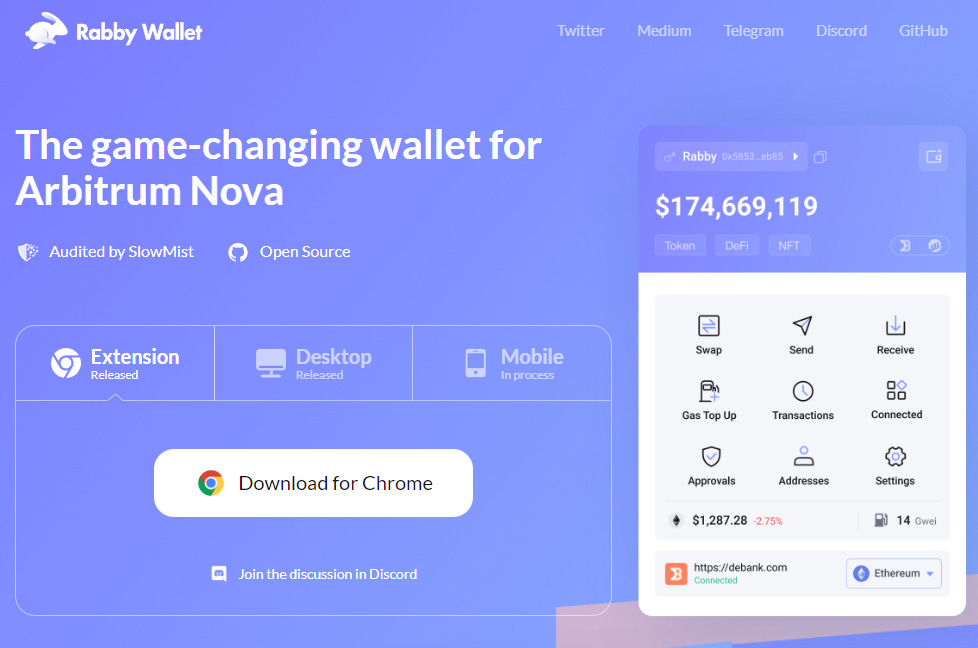
Rabby is an example of an extension that focuses on security-friendly UX: transaction previews, allowance management, and better permission controls. If you plan to try it, get the official release only. For convenience, here’s a place to get the official build: rabby wallet download. Verify the release source before installing—don’t just click ads or third-party mirrors.
Safe installation checklist
Before you install any wallet extension, do the following:
– Install from a verified source: the official site or the browser’s extension store page published by the known maintainer.
– Verify publisher details and number of reviews.
– Check the extension’s GitHub for tags/releases and recent commits.
– Read a recent audit if available.
– Confirm permissions the extension requests—be suspicious of “read and change all your data” in unrelated contexts.
When setting up a wallet:
– Create a new seed phrase offline if possible and write it down on paper. Don’t store seeds in cloud notes or on the clipboard.
– Consider a hardware wallet for high-value funds and use the extension only as a connector/interface.
– Use a dedicated profile or browser for your crypto activity to reduce cross-contamination from everyday browsing.
Operational security: day-to-day habits
Good tooling helps. But habits matter more. A few practical behaviors to adopt:
– Limit approvals. Approve only the exact amount you need. When a dapp asks for “infinite” allowance, change it to a single‑use or smaller cap.
– Use allowance management tools periodically to revoke old approvals.
– Read transaction details carefully. Wallets that parse calldata and highlight transfers/approvals are much safer than ones that show only hex.
– Avoid connecting the wallet to random sites. If you’re unsure, disconnect after the session.
– Keep your browser and OS up to date. Browser vulnerabilities are a common route for extension abuse.
When something goes wrong
If you suspect compromise—strange transactions, unknown approvals—act fast:
– Revoke permissions from exposed addresses using a reputable revocation tool.
– Move remaining funds to a new wallet: ideally a fresh extension or, better, a hardware wallet.
– Check your device for malware and consider rebuilding the OS if you find evidence of keyloggers or persistence.
– Report the incident to relevant communities and the wallet maintainers so they can warn others.
Common questions
Is a browser extension wallet secure enough for large holdings?
Not by itself. Keep large positions on hardware wallets or cold storage. Use an extension for small, active balances. For anything substantial, require a hardware signature step rather than hot‑key approvals.
How do I verify an extension is the real one?
Cross-check the publisher name and extension ID against the project’s official GitHub or website. Read release notes, check for audits, and prefer direct links from official channels rather than search results or ads.
What’s the single best habit to avoid getting hacked?
Never blindly approve unlimited allowances and always review transaction details. Most losses happen because users approved a contract that later moved funds. Limiting and revoking allowances cuts off that attack vector.